
In an era where vibrant, eye-catching images on social media platforms like Facebook and Instagram has become the norm, the lines between reality and digital artifice blur with increasing ease. Countless images flood our feeds daily claiming to depict the world around us, yet many are creations of artificial intelligence—unknown to most viewers. This phenomenon raises profound ethical questions about authenticity, artistic intention, and the essence of art itself.
Spot the Imposter: The Usual Suspects of AI Fakery
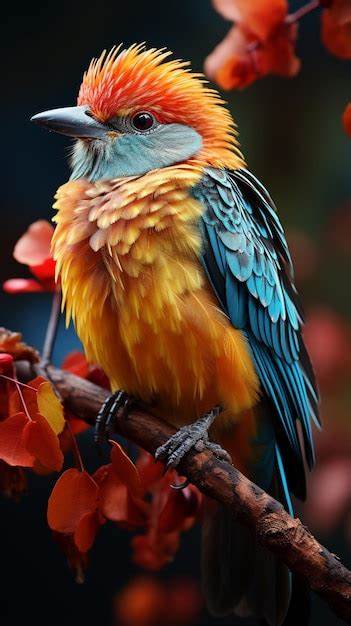
Have you ever seen a flower so perfect, it makes your houseplants look like they’re wilting in shame? Or a bird so vivid, it seems plucked from a fantasy novel? AI brings these „enhanced“ versions of reality to our feeds, fooling us into believing in a nature that doesn’t exist. Then, there are those poignant scenes of resilience—children in remote villages next to stunning sculptures of recycled materials. Moving? Definitely. Real? Only in the binary realm of zeros and ones. And let’s not overlook those architectural marvels—structures so sleek, they’d make Frank Lloyd Wright look conventional. These visions are not just unbuilt; they’re entirely fictitious, crafted by algorithms with a dramatic flair.
But why be uptight about this? Can’t we all just relax and enjoy the scenery? — No, we can’t and we shouldn’t.
When AI spins out images that are faker than a three-dollar bill but labels them as real, it’s not just pulling a fast one—it’s muddying the waters of artistic intent and genuine human effort. The more we unknowingly consume these pixel-perfect illusions, the dimmer our appreciation for real beauty becomes. The true allure of nature lies in its imperfections, shaped by the flow of time. Perfection is the absence of evolution, it represents blissful stagnation.
Artificial intelligence is shaped by vast amounts of human-generated data, inheriting all the biases and limitations therein. Yet, our perception of the world is similarly molded by our collective experiences. If we are inundated with fabricated representations of reality, our understanding of the world will slowly drift away from the truth. Gradually, the world as we perceive it becomes a construct—a mere reflection shaped by the algorithms of artificial intelligence. I don’t want to be raised by a better-than-life version of reality. Give it to me straight! I want to make my own decisions.
There’s also another nagging question that makes me feel uncomfortable. Creativity begins with the intention to create, followed by transforming that idea into something tangible—be it through paint, stone, film, dance, music, etc. When we experience art, we engage with the artist’s personal struggle and passion. No amount of processor cycles can substitute for the sweat and tears of human creativity. Through art, the artist exposes a part of his or her soul, which makes it inherently subjective and personal. In contrast, AI-generated output is based on a muddy collection of data gathered from the internet. It is the epitome of impersonal. AI-generated images are to art like a spam email is to a Shakespear sonnet.
AI in Art: The Right Way to Play Pretend
Let’s give credit where credit is due—AI can be a fantastic co-pilot in the creative process. Artists using AI transparently open new vistas in the landscape of imagination, pushing boundaries without pulling the wool over our eyes. A novel written on a word processor isn’t any less real than one hacked out on an old-fashioned typewriter. Art made with AI tools is legitimate—if it is labeled as such. Perhaps we could call it „AI-assisted art“?
Conclusion: A Culture of Transparency
As we all find ourselves at the crossroads of technology and ethics, it is crucial for content creators, social media platforms, and consumers to foster a culture of transparency regarding the use of AI in images. It’s about keeping the digital dialogue honest.
Let’s commit to valuing authenticity and transparency, not just in art and photography, but in every image that shapes our perception of the world. By doing so, we respect the integrity of human creation while at the same time embracing the potential of AI to take our imagination to places never visited before.
Fun Links to Waste Your Precious Time On
- The nine coolest AI images ever generated.
- Ten best practices for ethical AI-generated artwork use
- New York Art Life — meet the AI artmakers of the future!
- Get your hands dirty with the top five free AI art generators.
The Wacky World of AI-Generated Fakes




 Dr. Chris Kurz